

Restoration ,
Furniture Restoration ,
Furniture ,
Antique Furniture ,
Restore ,
Conservation ,
Preservation
By Stephanie Clough
Feb 12, 2026
When to Restore vs. Conserve Antique Furniture (and When to Do Nothing)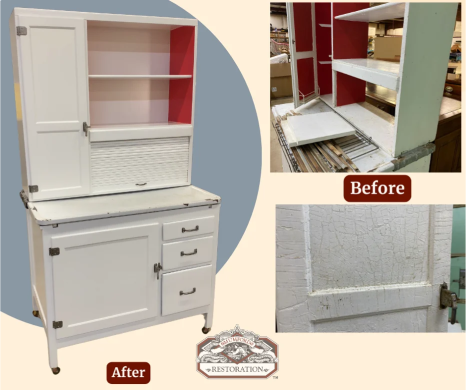
Antique furniture restoration and conservation aren’t the same thing, and choosing the right approach can protect both the value and historical integrity of your piece. Before deciding whether to conserve or restore antique furniture, it’s important to consider your goals for the piece as well as its age, origin, materials, and overall condition.
In this guide, we explain when conservation is the better choice, when restoration adds value, and when the best decision is to leave an antique alone.
We’ll also explore how professional appraisers and antique furniture restoration experts help guide these decisions for heirlooms, collectables, and historically significant pieces.
Above: You can combine restoration and conservation. This antique hoosier cabinet's owners repaired and restored the wooden elements of the cabinet, but left the enamel work surface as-is.
What’s the Difference Between Restoration and Conservation?
Antique restoration makes a piece of furniture look the way it did at a previous point its history, while antique conservation (sometimes called preservation) stabilizes the piece as it is today.
As always, consult a reputable appraiser if you have any questions or concerns about the rarity or value of a piece.
An appraiser will be able to give you the history of a piece, advise when to conserve vs. restore antiques, and may even recommend museum conservation standards for any possible interventions.
When Conservation Is the Better Choice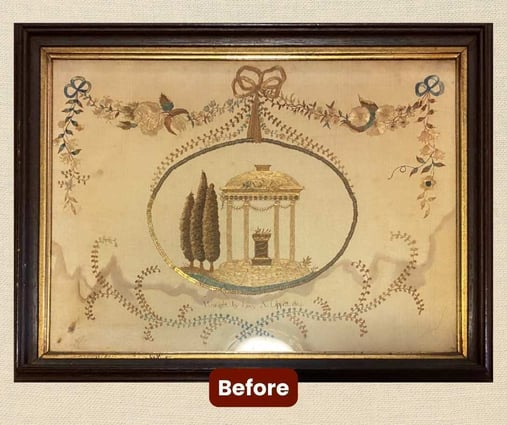
Antique furniture conservation is most appropriate for rare, historically significant, or museum-quality pieces where preserving original materials is the priority.
Antique furniture conservation involves minimal intervention and typically consists of gentle cleaning and stabilization.
It generally does not seek to remove a finish or make significant changes to a piece. Patina and evidence of historic wear are not hidden or removed.
Due to the minimal intervention involved, conservation is the most common treatment for museum-quality antiques.
For example, if a chair was owned by a famous historical figure, you would not reupholster it, since the original fabric regularly came into contact with that person.
Or perhaps the original material was intricate, rare, or costly. Maintaining that same material preserves an important part of history and culture that collectors and historians can still study and learn from.
Is the piece remarkable for its unaltered state? Many antiques have experienced repairs, refinishing, or other interventions over time, so a piece may be valuable simply because it escaped “updates.” In those cases, conservation is often the best choice.
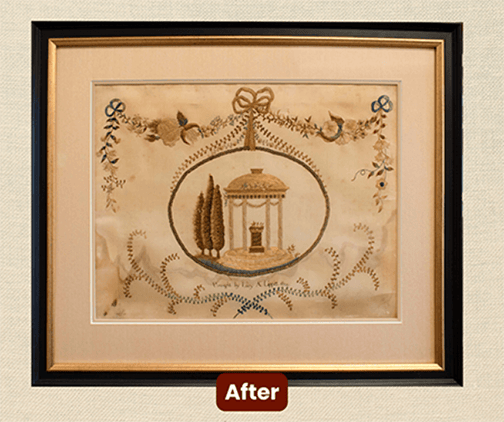
Above: this historic sampler was conserved. Our art specialist did not make changes to remove historic wear, but instead stabilized the piece by placing it on acid free backing and placing an acid-free mat on top of it.
When Restoration Is Appropriate
(and Beneficial)
Antique furniture restoration is appropriate when owners want a piece to reflect an earlier appearance.
Restoration can involve finish restoration, structural repairs, and other carefully considered interventions.
Someone may choose to restore their family heirloom dining table so it looks the way it did when they were young.
Or a collector may find a rare piece that has been altered over time. Restoration could remove more recent changes and use historically appropriate materials and finishes to return the piece to its original design.
When deciding whether to restore antique furniture, you should consider your goals for the piece and how restoration benefits its long-term use and appearance.
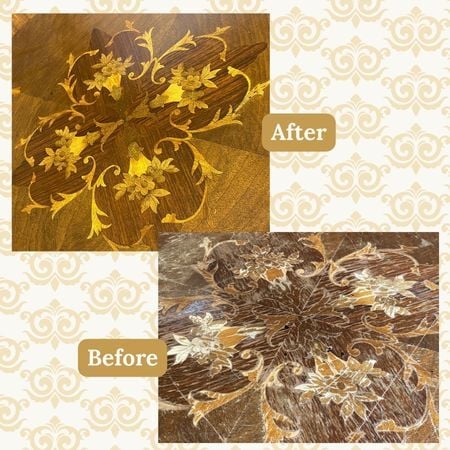
Above: This table's finish had badly deteriorated and both obscured the beautiful inlay and made the table too vulnerable to spills and daily wear-and-tear. The owner chose to restore the table so that it could be part of their daily life while remaining protected from spills and wear.
Can Restoring Antique Furniture Increase or Decrease Value?
Restoration can either increase or decrease the value of antique furniture depending on the piece, its rarity, and its condition.
Restoring a rare, collectable, or museum-quality piece may destroy historic materials and reduce value.
Conversely, conserving a piece that has been significantly altered may also decrease value if modern changes should be removed.
Only an antique appraiser can provide reliable advice about how restoration or conservation will affect resale value.
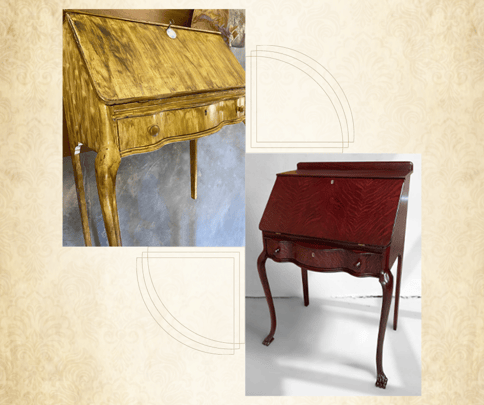
Above: this lovely antique desk had been painted. Our experts removed the paint and restored the desk, allowing its natural wood grain to show through (as its original designer intended).
When It’s Best to Leave Antique Furniture Alone
In some cases, doing nothing is the best option for antique furniture.
You may not need professional intervention if:
-
the piece is mostly decorative
-
it is structurally sound
-
the finish is in good condition
-
it is kept in a temperature-controlled room away from direct sunlight
If all of these conditions are met, leaving the piece as-is may be the safest and most appropriate choice.
Still unsure about conservation vs. restoration?
There are a few helpful steps you can take:
-
Take photos and use Google Lens to identify the furniture style or maker.
-
Research the manufacturer and style using reputable furniture guides.
-
Contact an antique appraiser for a professional evaluation.
Organizations such as the American Institute for Conservation and the Foundation for Advancement in Conservation also publish excellent guides.
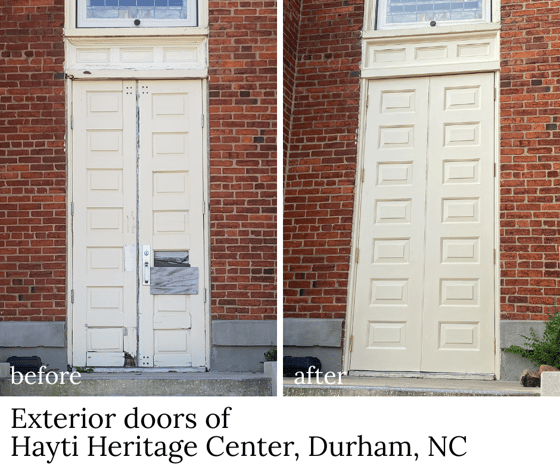
Above: These circa 1890-doors had been exposed to weather and moisture over the years. The glue holding the rails and stiles had begun to give and the wood was rotting in some areas. We saved as much of the original material as possible and made repairs with matching wood. This is an example of successful historic preservation. Now they are ready to guard their historic home for another century!
How Use & Lifestyle Influence the Decision
How you use antique furniture should play a major role in deciding between conservation and restoration.
If you plan to use an antique piece regularly, restoration may extend its life by adding a more protective finish and reinforcing its structure.
This often requires balancing durability versus authenticity.
However, many antiques are special simply because they hold sentimental value.
Even if a piece is not museum-quality, restoration and proper maintenance can ensure that beloved heirlooms and sentimental pieces remain part of your family’s story for generations.
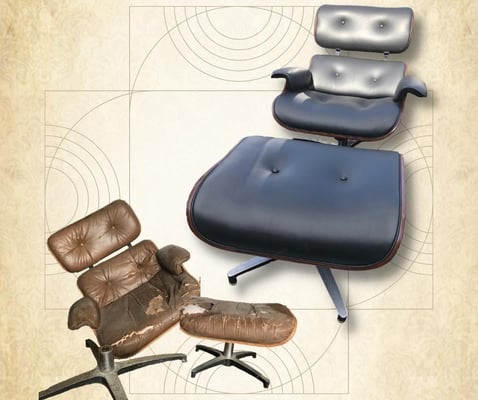
Many MCM pieces are finished with teak oil, which has to be reapplied periodically to keep the wood protected. Are you willing to consistently reapply this finish or would you prefer a long-lasting catalyzed lacquer finish? Consider how you use the piece and how much effort you are willing to put into its maintenance.
Why Appraisal Should Come Before Restoration
An antique appraisal should always come before restoration or conservation.
A professional antique appraiser can provide a valuation and recommend whether conservation, restoration, or no intervention is the most appropriate course of action.
Appraisers may also suggest conservators or restorers to assist with careful restoration planning.
Antique Furniture Restoration in Raleigh, NC
Deciding whether to restore, conserve, or leave antique furniture alone depends on its condition, history, value, usage, and your long-term goals.
When in doubt, consult a qualified antique appraiser to evaluate both the aesthetic appeal and collectible value of your piece.
At Mumford Restoration in Raleigh, NC, our experts help clients find the right option for heirlooms and rare pieces.
Call us at 919-510-6310 or click below to submit photos and an online form.
We are always happy to discuss your goals and needs and help you make the decision that's right for your antique furniture.