

By Stephanie Clough
May 12, 2026
Does your wood furniture feel sticky, tacky, or slightly gummy to the touch? You’re not alone! That’s one of the most common complaints we hear from antique owners.
Many people assume humidity is the cause, but sticky antique furniture (or any wood furniture) is usually the result of:
-
buildup from silicone-based furniture polishes
-
body oil residue
-
the gradual breakdown of the original finish
Understanding what is causing the tackiness is the key to correcting it without damaging the piece.
After you determine the source of the stickines, there are a few DIY fixes you can try before you call a professional furniture refinisher like Mumford Restoration.
Why Does Antique Furniture Become Sticky Over Time?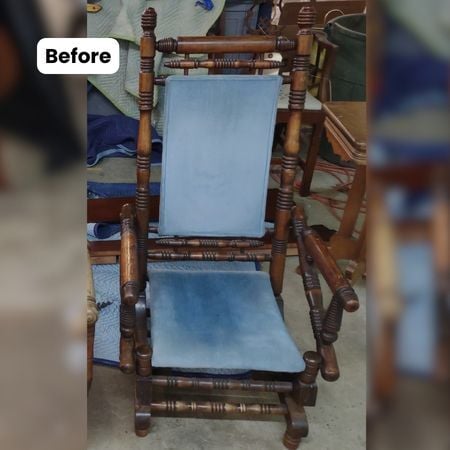
Antique furniture becomes sticky primarily due to product buildup or finish degradation.
Over time, repeated applications of silicone-based furniture polish will create layers of residue on the surface.
In other cases, the original finish itself begins to break down and soften.
Sometimes, even frequently touching a surface can make it sticky, as body oils accumulate on areas such as arm rests and head rests.
Can an Antique Finish Break Down and Become Tacky?
Yes, antique furniture finishes break down over time and some of them resultingly become sticky.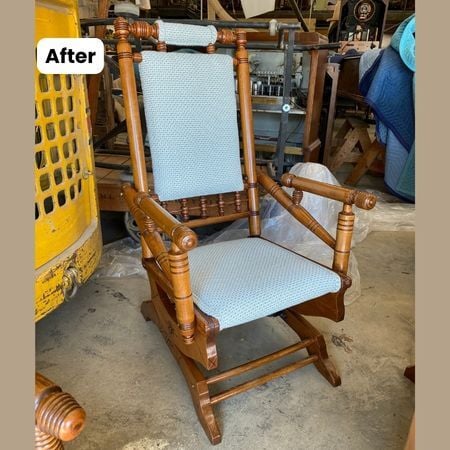
Historic finishes such as shellac and varnish can degrade over time. Even more modern finishes such as lacquer can still run into issues. As they age, they may soften and begin to feel sticky.
This type of tackiness is caused by internal breakdown of the finish, not surface residue.
Bernard Mumford, founder and co-owner of Mumford Restoration, explains, “The finish begins to experience molecular breakdown, just due to age. As the molecular breakdown occurs, the surface can become increasingly sticky due to polishes, waxes, and skin oils. Most people don’t really notice the finish breakdown until they place a blanket on the furniture to protect it during a move. Then, they take it off and notice the imprint. This is when the finish needs to be replaced.”
Can Furniture Polish Make Wooden Furniture Sticky?
Yes, furniture polish is the most common cause of tackiness.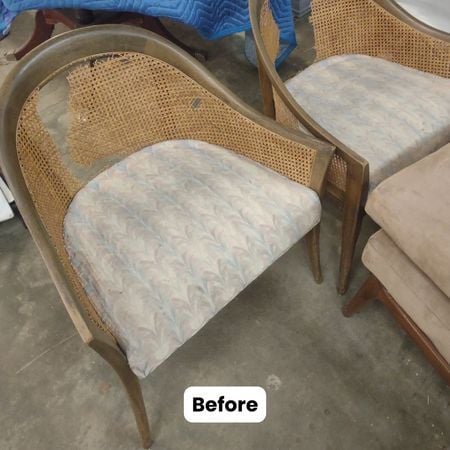
Many commercial furniture polishes contain silicone oils that trap dust and dirt the more you use them.
Over time, these layers build up and create a sticky or tacky surface.
Furniture that has been polished frequently over many years is especially prone to this issue.
What Is Silicone Buildup on Antique Furniture?
Silicone buildup occurs when residues from furniture polishes accumulate on and sometimes within the surface of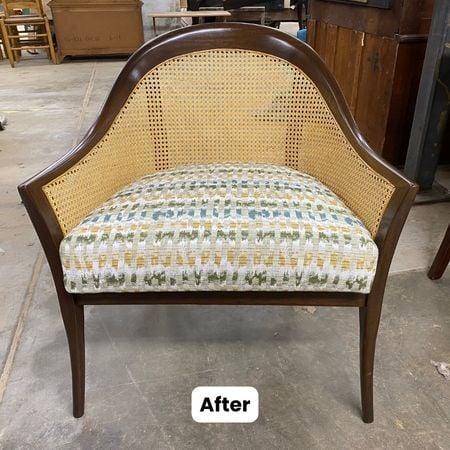 the wood.
Unlike traditional wax, silicone:
-
is not easily removed
-
can migrate deep into wood pores
-
can dramatically interfere with future refinishing
In restoration, silicone contamination is a known issue because it can prevent new finishes from adhering properly.
Bernard Mumford notes that the silicone-based polishes can make their way into the wood, even if the finish isn’t compromised. He says, “You can have a great lacquer finish on a piece of furniture, but then you create a Pledge or Endust finish. And as that Pledge/Endust gradually fills pores of finish and builds up, that can create a filmy, sticky layer. It’s all due to the silicone. Silicone can really penetrate, so it’s really better to just remove the finish completely. If you’ve put that silicon-based polish on every week, saving the finish is hopeless. The silicone went straight into the pores.”
How Can You Tell What Is Causing Sticky Wooden Furniture?
Identifying the cause helps determine the correct solution.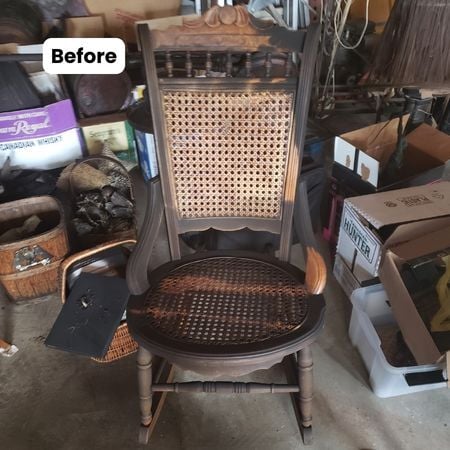
Silicone or Product Buildup:
-
surface feels sticky or gummy
-
tackiness is consistent across the piece
-
history of frequent polishing
Finish Breakdown:
-
uneven or localized tackiness in rarely touched areas
-
overall dull or cloudy appearance
Body Oil Buildup:
-
surface is darker than surrounding areas
-
tackiness is concentrated to frequently touched areas
-
the piece of furniture has a history of frequent use
In some cases, all conditions may be present.
Can You Fix Sticky Antique Furniture Yourself?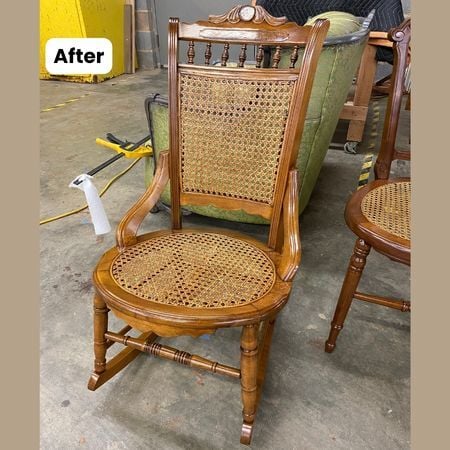
Sometimes, but be careful.
Minor surface residue may improve with careful, minimal cleaning. Take a look at our article "5 Tips for Cleaning Antique Wood Furniture" for the best ways to clean and maintain your wood furniture.
We advise against DIY attempts to repair issues with wooden furniture's finish.
Improper cleaning methods can:
-
damage historic finishes
-
push residue deeper into the wood
-
generally, worsen the problem
Avoid:
-
harsh chemicals
-
excessive water
-
aggressive scrubbing
If the issue is severe, just be aware that DIY methods are unlikely to fully resolve it.
In the case of a cloudy finish, Bernard Mumford suggests a surprising potential fix: mayonnaise!
Mumford explains, “If you see a white, milky-colored area where someone placed a glass of water or a warm pizza box, you can flood it with ¼”-thick layer of mayonnaise. Make sure it’s the kind of mayonnaise with eggs. Then, let it sit on top of the white spot. Sometimes the emulsifier in the mayonnaise will lift the moisture out.” He admits that he has frequently used this easy fix! “They used to call me Mayonnaise Mumford…,” he recalls.
In the case of a sticky finish, Mumford suggests three ways to possibly address the issue.
1. Mineral Spirits
You can get mineral spirits from the paint remover section of most hardware or home improvement stores. It's a solvent that helps dissolve oil-based paints and polishes, so it's useful for cutting through oil that has accumulated on your furniture.
Bernard suggests using soft, clean cotton rag to apply mineral spirits to the sticky surface. Rub gently in circles.
Is the stickiness lifting?
2. Rejuvenator
You can buy rejuvenator from some specialty woodworking stores. It is a solvent that can help lift layers of wax, polish, and dirt.
Like mineral spirits, you will use a soft cotton rag to apply the rejuvenator in gentle circular motions.
3. Naphtha
Naphtha (pronounded "NAF-thuh" as well as "NAP-thuh") is the final DIY method. You can find it in the paint section of hardware stores.
Naphtha is a solvent used to thin varnishes and oil-based paints and is also used as a fuel for camp stoves. It used to be the fuel for Zippo lighters! Be very careful not to breathe the fumes or use it near open flames!
As with mineral spirits and rejuvenator, you will use a soft, cotton cloth to apply it in circular motions.
Each time you attempt to fix the issue, Mumford suggests asking yourself, “Is the problem getting better or worse?” If you notice that the finish is getting worse, stop immediately.
If none of these DIY cleaning methods work, it is time to consult a professional refinisher.
Bernard notes cautions, “Usually the 'stickiness' is a deep enough layer on its own and has made its way through the original finish. Unfortunately, it all needs to be removed professionally.”
Why Do DIY Fixes Often Make Sticky Furniture Worse?
Many furniture owners think using more polish or stronger cleaners will solve tackiness.
Unfortunately, this repair backfires, as polish and harsh chemicals generally lead to:
-
increased product buildup
-
further degrading of the finish
-
a cycle of worsening residue
Once silicone is present, it’s hard to get rid of. Improper cleaning will only create new problems.
When Should You Call a Furniture Restoration Professional?
It's tempting to say, "I just want to try one more thing before I call a furniture restorer." We all love seeing a last attempt succeed!
Just remember that the more chemicals you introduce to a furniture finish, the more issues this combination of  substances can cause.
It's important to know when to step away and get help from a professional furniture restorer.
You should have a specialist evaluate your furniture when:
-
tackiness persists after gentle cleaning
-
the finish appears degraded
-
you suspect silicone buildup
-
the furniture is valuable, historically significant, or sentimental
A restoration specialist can determine whether the issue requires specialized, professional cleaning or if the piece needs to be completely refinished.
How Can You Prevent Furniture from Becoming Sticky?
Prevention focuses on avoiding unnecessary products that cause buildup.
Best practices include:
-
avoiding silicone-based polishes
-
using minimal, appropriate cleaning methods
-
consulting a professional before applying treatments
Antique furniture generally requires less intervention, not more.
Above: This antique mirror had dulled under decades of oil, smoke, and dust. Our specialist gently cleaned away the buildup without damaging the underlying finish.
Who Can Help Fix Sticky Antique Furniture?
When your furniture develops a sticky residue or its finish itself degrades and becomes sticky, it will require professional refinishing.
At Mumford Restoration in Raleigh, NC, we regularly assess furniture with tacky or unstable finishes and recommend treatments that preserve original materials whenever possible.
If your wood furniture feels sticky or has become difficult to clean, professional guidance can help you avoid further damage and restore a stable surface.
Call us at 919-510-6310 or submit photos through our online form to discuss your piece.