

By Stephanie Clough
Apr 07, 2026
Moving antique furniture can sometimes require more care than moving modern pieces. 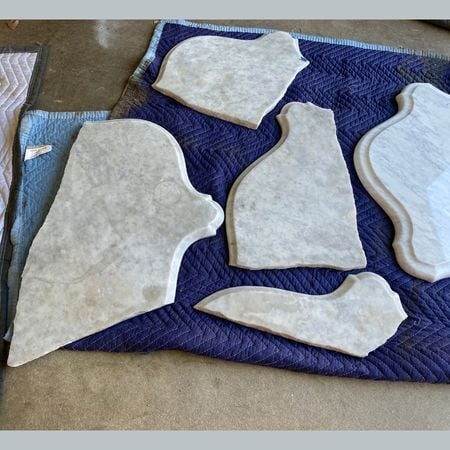
Antique wood furniture often relies on traditional joinery, historic finishes, and adhesives that have aged over decades or centuries.
These pieces were built to last, but improper handling during a move can still loosen joints, crack veneers, and damage delicate finishes.
Many homeowners only discover damage after their furniture arrives at its new location.
The moving company damaged it!
Well, that's not always the case. Things aren't always straightforward with antique furniture.
Mumford Restoration has been family-owned and -run since 1982. We are among the most trusted restoration companies for antiques, sentimental furniture, heirlooms, fine furniture, art, grandfather clocks, and more.
Countless customers have entrusted us to repair and restore furniture and other pieces damaged during the moving process.
In this guide, we’ll share some of our insights with you. We’ll explain why antique furniture is vulnerable during a move, what parts of furniture are most likely to be damaged, and how to transport antique pieces safely.
Above: The moving company recently broke this antique marble table top.
Why Is Moving Antique Furniture Risky?
Antique furniture is built differently than most modern furniture. Many antique pieces were constructed using 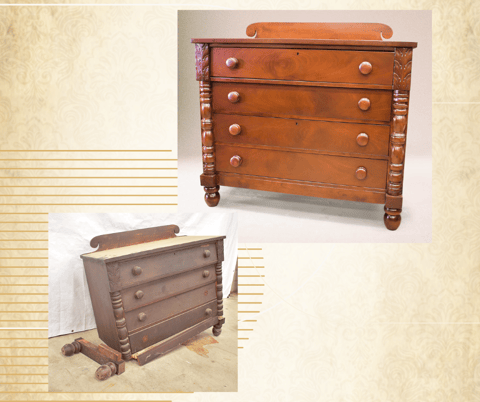 solid wood, hand-cut joinery, and traditional, hide glue adhesives.
These materials allow furniture to age gracefully, but they can also become vulnerable when pieces are lifted, tilted, or placed under uneven stress.
During a move, furniture may experience:
-
twisting pressure on joints
-
sudden impacts or drops
-
temperature and humidity changes
-
abrasion to finishes
-
stress on weaker areas
-
damage to veneer and decorative elements
Even careful movers may unintentionally crack or break fragile areas such as chair arms, table legs, or decorative moldings.
Because many antiques have already endured decades of use, the additional stress of moving can reveal weaknesses that were previously hidden.
What Parts of Antique Furniture Are Most Vulnerable During a Move?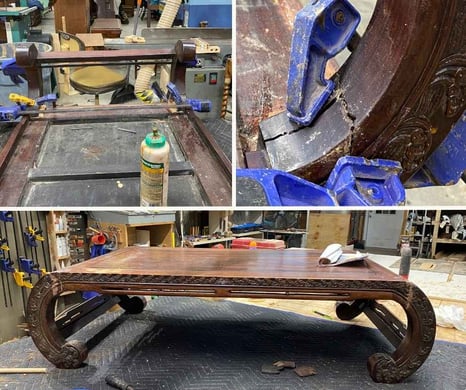
Certain elements of antique furniture are especially susceptible to damage during transportation.
Common vulnerable areas include:
Joints and structural connections
Traditional mortise-and-tenon joints can loosen if furniture is lifted incorrectly.
Veneer surfaces
Thin decorative veneers may crack or detach if furniture is bumped or compressed. This is especially true if the glue is very old and may have degraded.
Carved details and decorative moldings
Intricate carvings can break when struck or placed under pressure.
Drawer runners and interior components
These internal parts can shift or crack if furniture is moved too roughly.
Finishes
Historic finishes such as shellac and wax (as well as modern finishes like lacquer) can scratch or abrade when furniture rubs against packing materials or other pieces of furniture.
Protecting these vulnerable areas is essential when preparing antique furniture for transport.
Above: Furniture with unusual joinery are especially at risk of moving-related damage.
Can Movers Damage Antique Furniture Without Realizing It?
Yes. Many moving companies are experienced at transporting modern furniture but may not be familiar with the construction of antique pieces.
Common mistakes include: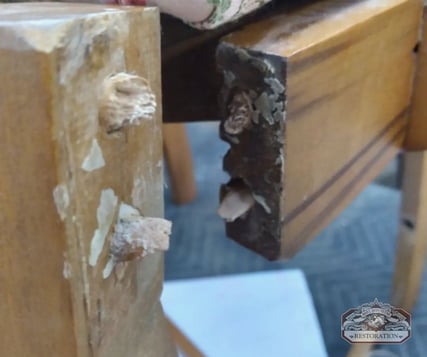
-
lifting chairs by the crest rail
-
dragging furniture across floors
-
stacking heavy items on top of antiques
-
wrapping furniture tightly in plastic that traps moisture
-
tilting furniture in ways that stress joints
These practices can place uneven pressure on furniture frames and cause structural damage that may not be immediately visible.
For valuable antiques, it is often best to communicate clearly with movers about how each piece should be handled.
Above: A badly broken joint on a 1930s vanity chair.
How Should Antique Furniture Be Packed for Moving?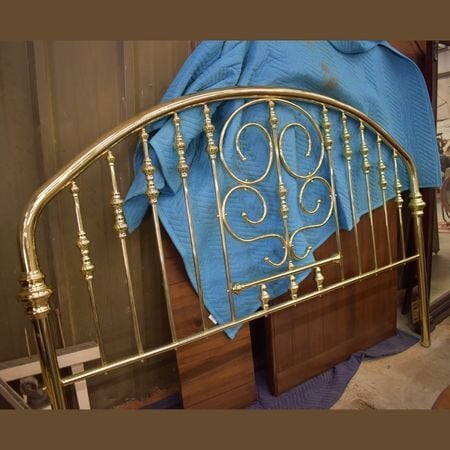
Proper packing helps prevent both structural and cosmetic damage during transportation.
Recommended preparation steps:
Remove loose elements
Take out drawers, shelves, and removable components before moving.
Wrap furniture carefully
Use breathable materials such as moving blankets or cotton sheets rather than plastic wrap directly against the wood.
Protect corners and carved details
Padding fragile areas helps prevent chips and abrasions.
Avoid excessive pressure
Furniture should not be tightly compressed by straps or packing materials.
Keep furniture upright whenever possible
Tilting furniture can place stress on joints and frames.
Thoughtful preparation can significantly reduce the risk of damage during transport.
Above: Moving blankets like the one above are excellent for saving your furniture from dents and scratches during your move.
Should Antique Furniture Be Disassembled Before Moving?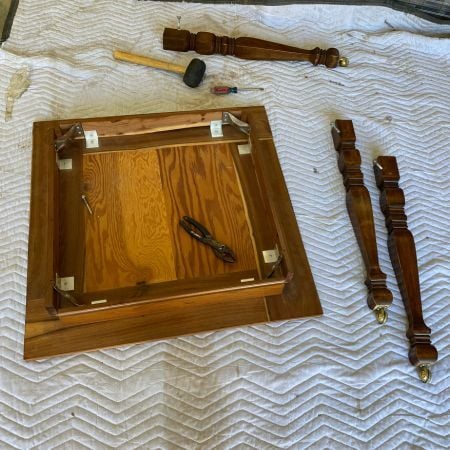
In some cases, partial disassembly can help protect antique furniture during a move.
For example:
-
Marble tops may be removed from tables.
-
Mirror frames may be detached from dressers.
-
Some table legs can be unscrewed if they are very thin or fragile
However, disassembly should be approached carefully. Antique furniture often uses joinery that can be damaged if forced apart incorrectly.
Above: Some tables can be disassembled before they are moved. If you are concerned about damage to their legs, remove them and ensure that you keep all of the hardware in a zip-top bag until you can reassemble the piece.
What Should You Do If Antique Furniture Is Damaged During a Move?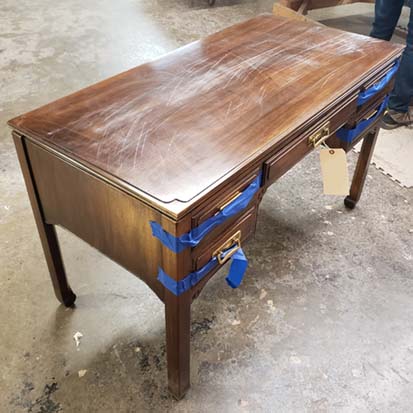
Damage may not always be obvious immediately after moving furniture.
It is important to inspect pieces carefully once they arrive at their new location.
Look for signs such as:
-
loose or wobbly joints
-
veneer lifting or cracking
-
scratched or dulled finishes
-
broken decorative elements
-
drawers or doors that no longer align properly
Early evaluation can prevent minor issues from developing into larger structural problems.
Above: Stacking items on top of your antique furniture during a move can scratch or dent the surface.
Did the Movers Damage My Furniture?
While many moving companies are not aware of proper antique furniture handling, some damage is not 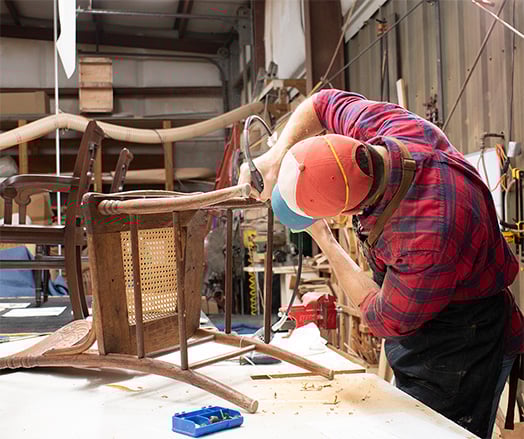 necessarily their fault.
For example, movers arrive in your home and lift your antique desk. Its legs immediately begin wobbling or glued on elements immediately fall off. The movers broke your desk!!! 😠 Or did they?
This damage happened months or years before the movers laid a hand on your furniture.
When was the last time you remember moving your antique desk or cabinet? Not since it was first delivered to your house?
Since many antiques are glued together with hide glue, they are at risk of this glue naturally deteriorating over the years. It’s a natural part of antiques’ life cycle. Antique furniture was meant to be reglued from time to time.
The deterioration can be hastened by the furniture’s placement. Was your antique subject to sunlight, placed near a vent, or positioned against an exterior wall? Do you often turn your heat and air completely off when you go on vacation?
If any of the above is true, temperature and humidity swings likely broke down the hide glue. Even otherwise well maintained furniture can fall victim to these indirect sources of damage. Our blog article on the subject explains humidity and temperature considerations in greater detail. The joints became wobbly and unstable long ago and the veneer was already barely hanging on. But no one touched the furniture and revealed the existing structural issues until the movers arrived.
When Should You Consult a Furniture Restoration Professional?
A professional antique furniture restorer can evaluate damage and recommend the most appropriate treatment.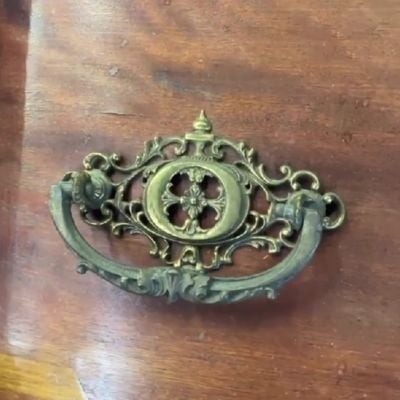
Professional evaluation is especially important when:
-
joints have separated or loosened
-
veneer has come loose
-
historic finishes have been damaged
-
decorative carvings or moldings have broken, fallen off, or become lost
-
structural stability has been compromised
Restoration specialists can often stabilize and repair damage while preserving original materials and historical character.
Above: Keep any elements that were damaged or any mates to lost pieces. A furniture restorer may be able to help you repair or source (or even make) matching replacements.
Professional Antique Furniture Restoration After Moving Damage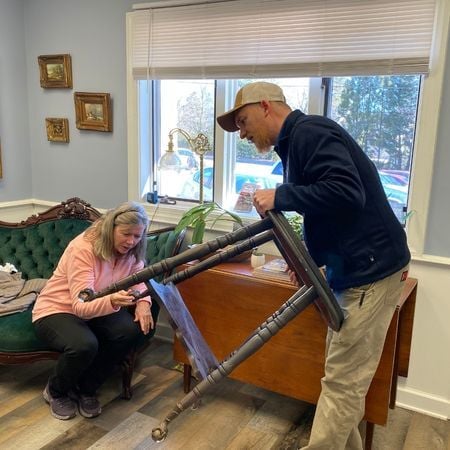
Moving damage does not necessarily mean that an antique piece is permanently ruined. Many antiques can be successfully repaired when issues are addressed early.
At Mumford Restoration in Raleigh, NC, our specialists regularly evaluate antique wood furniture that has been damaged during moves, estate transitions, or storage.
We focus on stabilizing structural elements, preserving historic finishes, recreating lost or destroyed elements. Our goal is to restore furniture, antiques, and sentimental pieces so they can continue to be used and enjoyed.
If your antique furniture has been damaged during a move or storage, professional guidance can help protect your investment and prevent unnecessary restoration.
You can visit our moving claims page to learn more about navigating moving damage.
When you're ready, contact Mumford Restoration to learn how we can help repair moving damage.
Call us at 919-510-6310 or click the button below to submit photos or questions via our online form.